When a pump alone is not enough
Weeping tile, French drains, grade, and window wells—paths that actually deliver water to a working sump.
A pump only ejects water that reaches the pit. Wall and cove leaks continue without drains. Exterior digs stop water before the wall when access allows; interior perimeter drains manage water that reaches the foundation and suit tight lots or cove pressure. Many homes combine approaches.
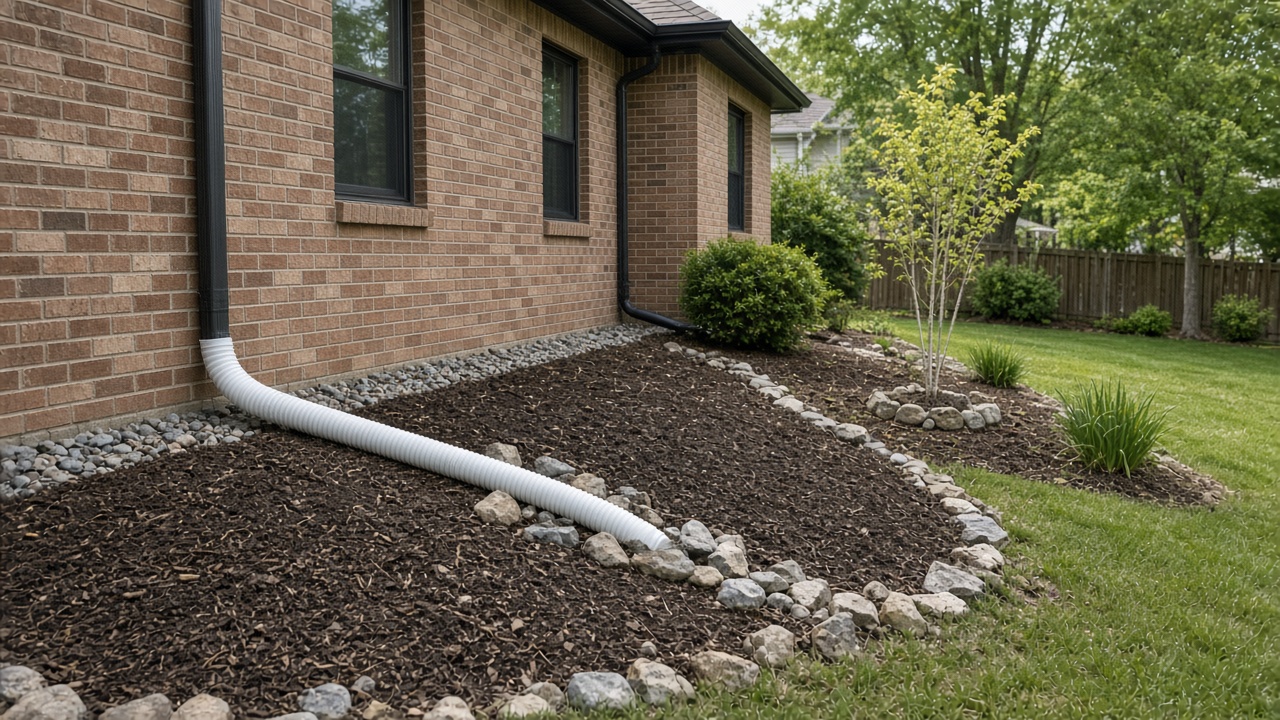
Start outdoors
Extend downspouts, restore slope away from the house, and clear window wells before paying for footing-depth work. Expensive drains fail faster if surface water still dumps at the foundation.
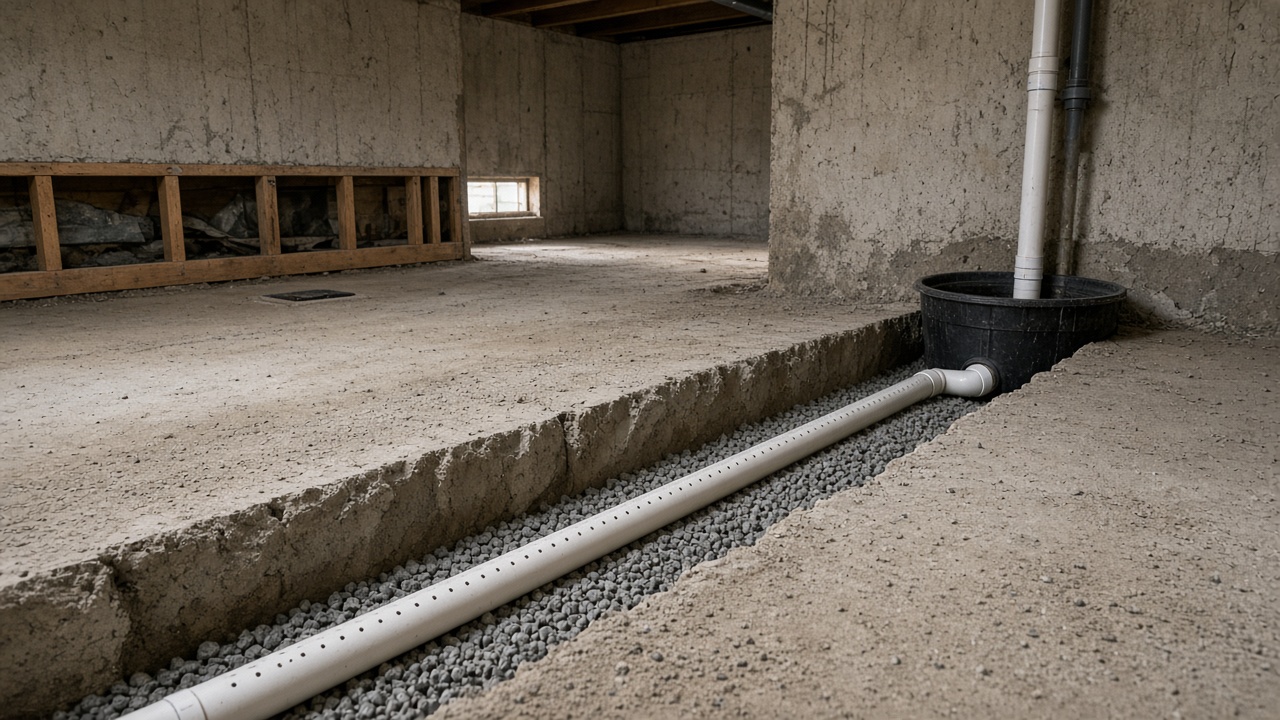
Interior drain tile to sump
Interior systems typically cut a trench along the perimeter, place perforated pipe in gravel, and pitch toward a reliable sump (preferably with backup). Rigid perforated PVC with proper pitch is preferred over cheap corrugated that can flatten or silt. Expect concrete cutting, dust, and patching—finished basements cost more to restore.
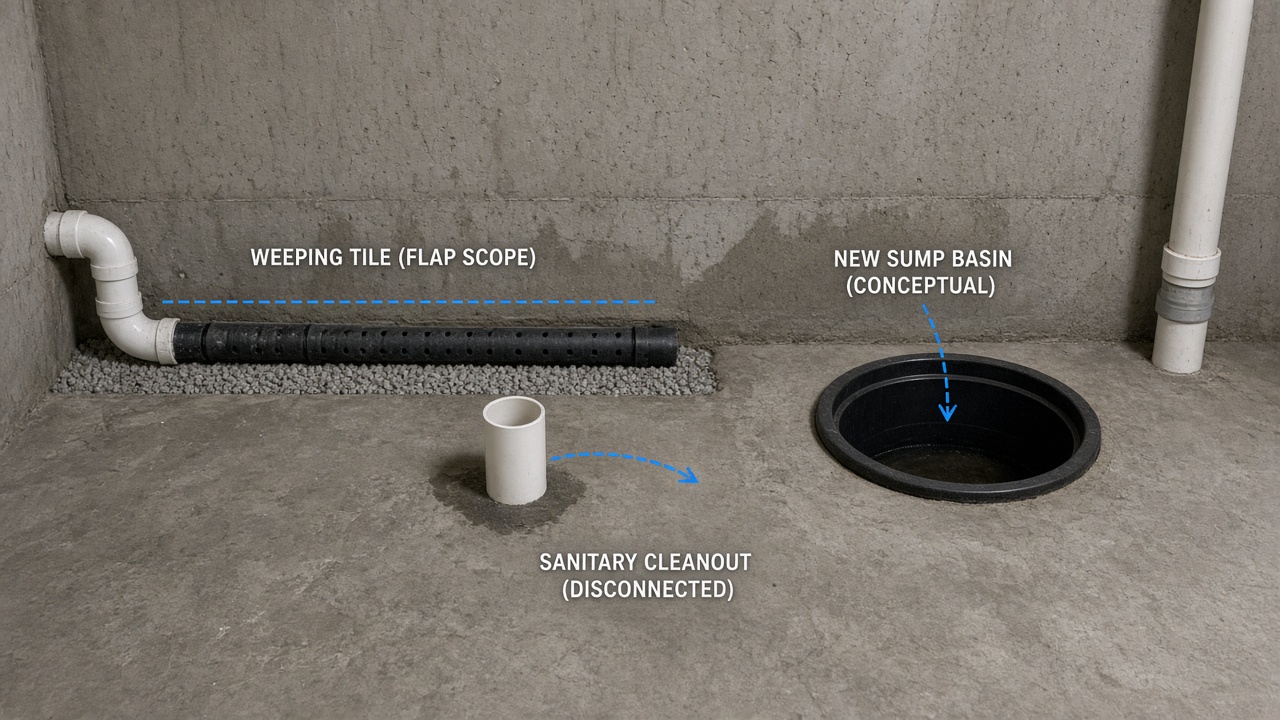
FLAP vs general waterproofing
FLAP funds specific weeping-tile disconnection from sanitary plus sump/backwater scopes—not general landscaping French drains or membrane waterproofing. Leaving weepers connected while only adding a backwater valve can push water through cracks instead. See costs and rebates.
Frequently asked questions
If I only install a backwater valve and leave weeping tile connected, what happens?
Water follows the path of least resistance: if it cannot enter through floor drains, it can fill weepers and still push through cracks/block foundations. FLAP typically will not approve leaving weepers connected.
Should I fix gutters and grading before digging?
Yes. Downspouts and slope away from the house are the first line; expensive drains fail faster if surface water still dumps at the foundation.
DIY French drain or hire an interior drain contractor?
Exterior surface drains and grade fixes are common first steps; full footing-depth exterior or interior perimeter systems are labour-heavy and mistake-prone — hire when finished space or structural risk is high.
Will an interior drain tile system fix water under the slab?
Interior perimeter drains to a sump are specifically aimed at cove/under-slab hydrostatic pressure.
Why do some jobs use PVC instead of corrugated pipe?
Commenters prefer rigid perforated PVC with proper pitch; cheap corrugated can flatten or silt and clog.
Can poor slope ruin a new interior drain?
Yes — pipe should pitch toward the sump; flat installs encourage standing water and sediment.
Exterior dig vs interior drains — which for St. Catharines clay/high water table?
Exterior stops water before the wall when access allows; interior manages water that reaches the foundation and suits tight lots / cove pressure. Many homes combine approaches.
Is a sump required with interior weeping tile?
Interior systems typically depend on a reliable sump (and preferably backup) to eject collected water.
Will drainage work qualify for FLAP?
FLAP funds specific weeping-tile disconnection from sanitary + sump/backwater scopes — not general landscaping French drains or membrane waterproofing.
How messy is interior drainage?
Expect concrete cutting, dust, temporary disruption, then patching — finished basements cost more to restore. Ask when you call about disruption and restoration for your space.