Diagnose before you replace
Float, impeller, check valve, freeze, and motor failures—and when repair beats a full waterproofing package.
A humming pump that moves no water, a float that never lifts, or short-cycling after rain are urgent but diagnosable. Treat rising water as a safety issue: temporary pumping, power awareness, then a permanent fix. Call for diagnosis when water is active.
Common failures
- Debris jammed in the impeller
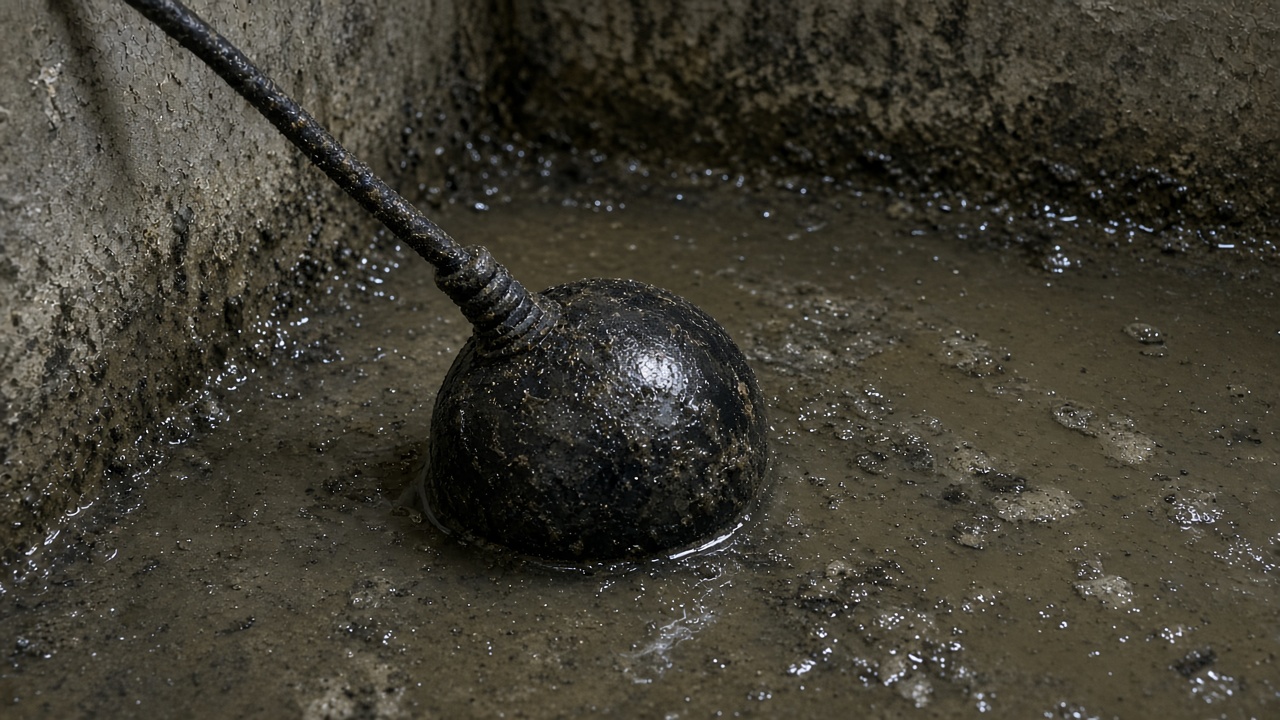
- Corroded or stuck float switch
- Leaking check valve causing short-cycling
- Frozen outdoor discharge
- Failed capacitor or motor (smoke, crackle)
Repair vs replace
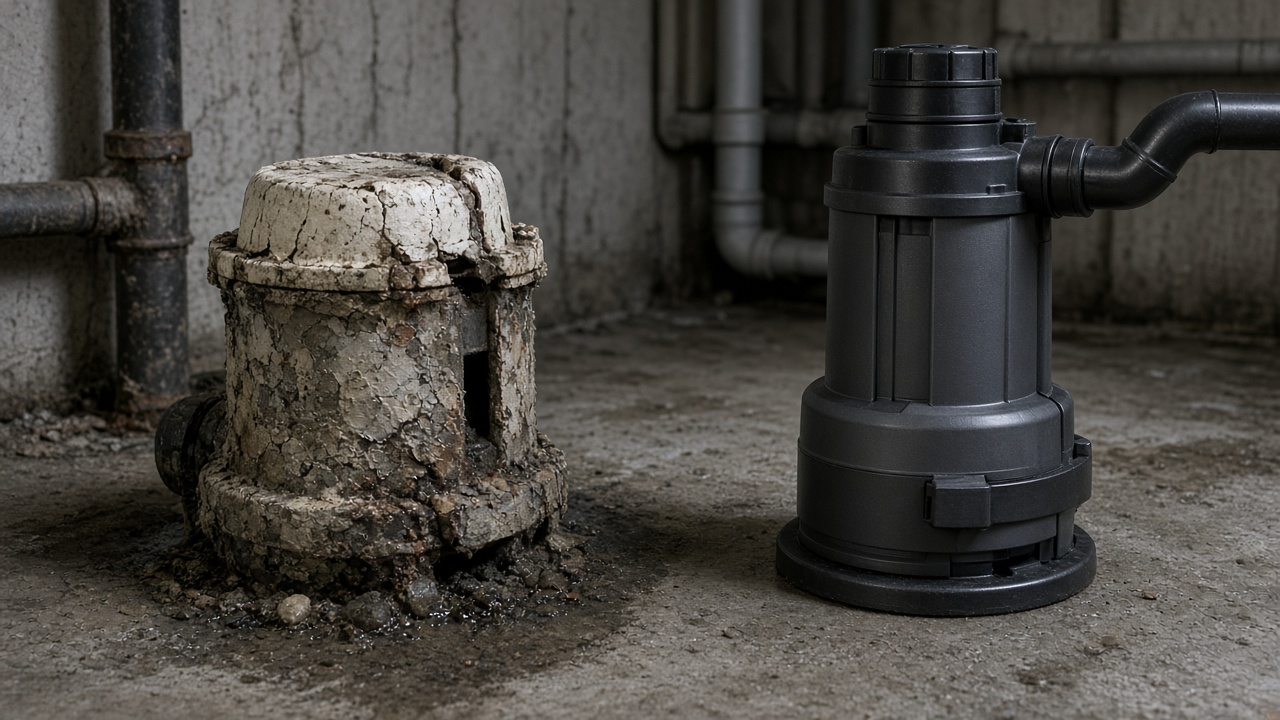
Older pumps that smoke, crackle, or have repeated float failures are usually replaced. Impeller debris or a bad check valve may be repairable. Like-for-like swaps in a clean pit can be DIY-friendly for handy owners; flooding-in-progress, hardwired units, or dual systems favour a pro.
Winter discharge ice
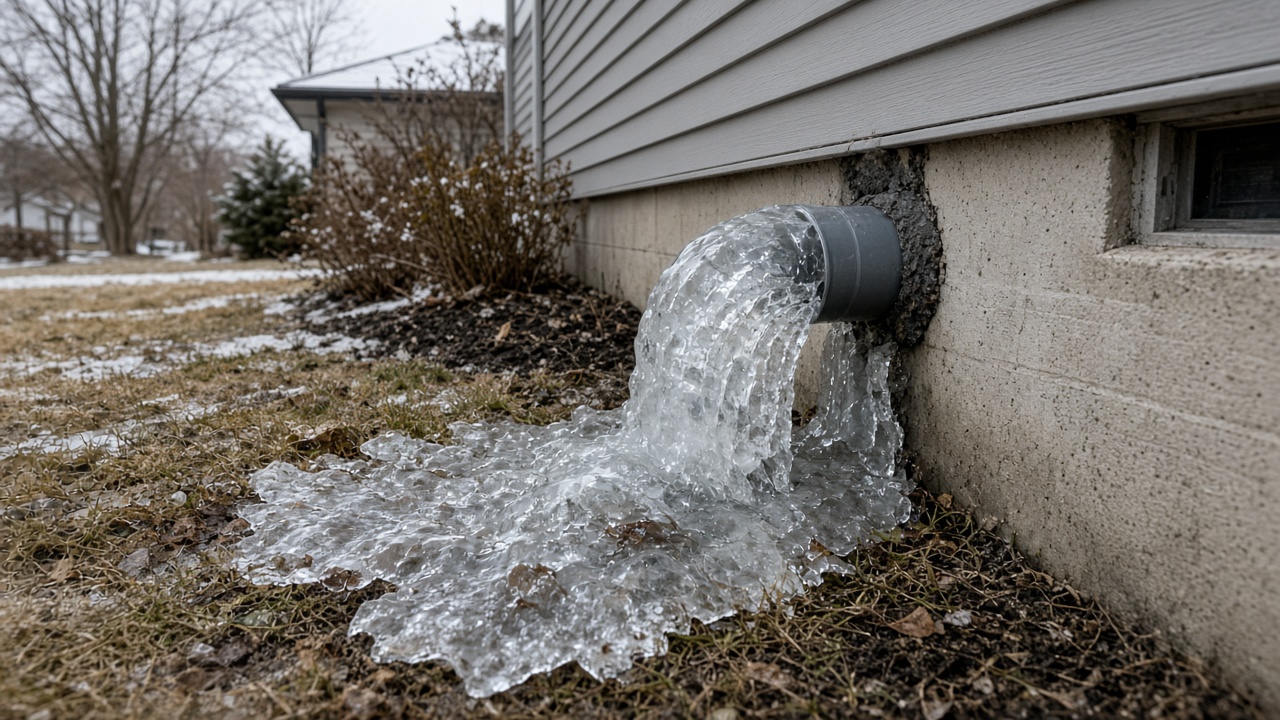
Ice at the outlet can block flow, force continuous running, and burn pumps. Clear snow and ice, extend discharge onto permeable ground away from walks, and discuss heat cable or insulation on vulnerable runs.
While you wait for service
Unplug before inspecting. Do not pull the pump by the power cord—use a rope or handle. Do not leave the pit unprotected if you remove a pump during wet weather. Replacement cost depends on pump class, access, check valve and discharge condition, and whether the pit needs cleanup. Ask for a written quote for your existing pit.
Frequently asked questions
My sump pump is humming/buzzing but not pumping — what is wrong?
Common causes: debris jammed in the impeller, failed capacitor/motor, or power issues. Unplug before inspecting; a pebble in the impeller is a frequent DIY find. If unsure, replace rather than run a dying motor during a storm.
Pump won't turn on — float or power?
Check breaker/GFCI and plug first; then lift the float manually. Corroded float switches are a common failure.
Pump ran continuously — could the float be stuck?
Yes — a shifted power cord or debris can hold the float up (runs nonstop) or down (never starts). Secure cords and keep the pit clean.
Repair or replace?
Older pumps that smoke, crackle, or have repeated float failures are usually replaced; impeller debris or a bad check valve may be repairable. Ask for a written recommendation after diagnosis.
Is replacing a pump DIY-friendly?
Like-for-like swaps in a clean pit are often straightforward for handy owners; flooding-in-progress, hardwired units, or complex dual systems favour a pro.
How much does replacement cost?
Replacement cost depends on pump class, access, check valve and discharge condition, electrical work, and whether the pit needs cleanup or upsizing. Ask for a written quote for your existing pit.
My pump runs every few minutes after rain — failed check valve?
A leaking check valve lets discharge drain back into the pit and retriggers the float — a top diagnosis for short-cycling. Also check outdoor ice blockages in winter.
Discharge is freezing / icing outside — is that why it fails?
Ice at the outlet can block flow, force continuous running, and burn pumps. Clear snow/ice and extend discharge onto permeable ground away from walks.
Who do I call in an emergency while water is rising?
If water is rising, prioritize temporary pumping/safety and power shutoff awareness; then call for permanent repair diagnosis.
Should I pull the pump out by the power cord?
No — use a rope/handle. Pulling by the cord damages wiring and is a common cause of failures.