New sump systems for your home
Pit, pump, check valve, and discharge—sized for water table and basement use, not a one-size shelf kit.
Whether you are installing a sump for the first time or upgrading an unreliable builder-grade unit, installation quality decides whether the system stays quiet and automatic—or short-cycles, freezes, and floods. St. Catharines clay pockets, canal corridors, and lakeside lots often need more capacity and better discharge planning than a minimal install provides.
Who needs a new install
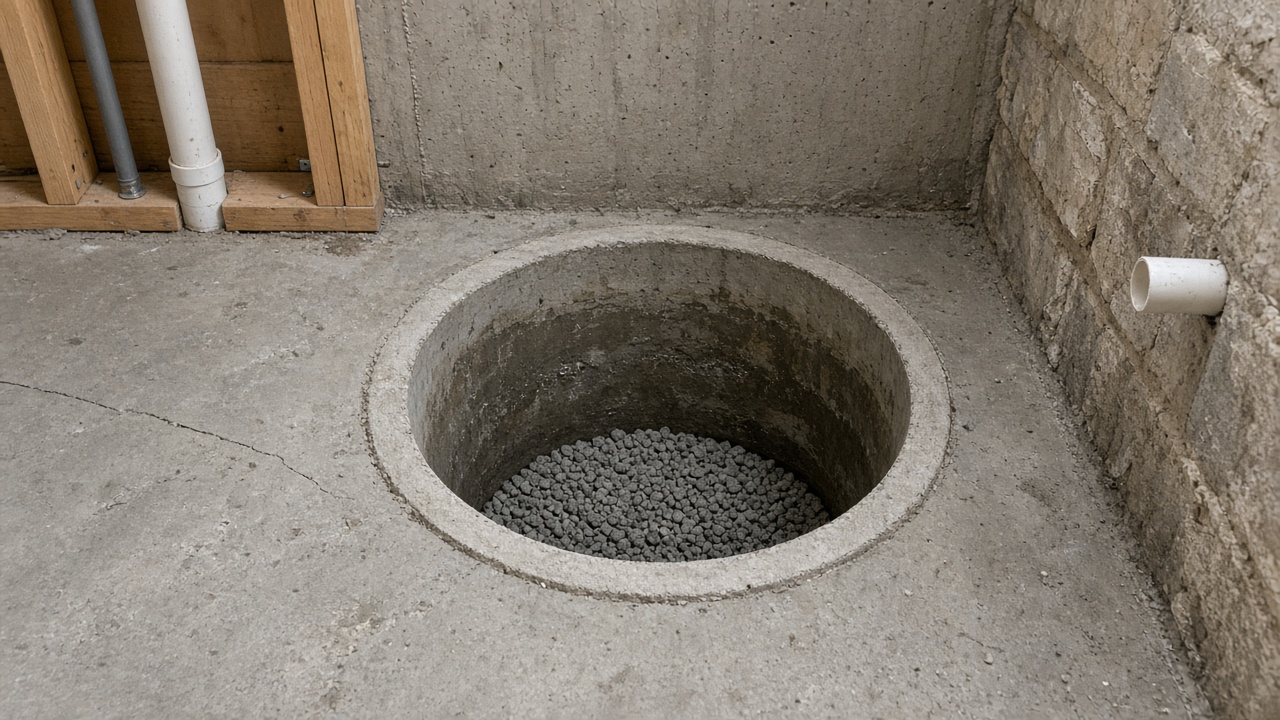
- No pit yet, with groundwater or cove seepage
- Weeping tile being disconnected from sanitary under Emergency FLAP
- Undersized or failed pit that cannot hold a primary plus backup
- Pre-finish projects that need proven dry floors first
Submersible vs pedestal
Submersible pumps sit in the pit and run quietly. Pedestal motors sit above the water line and can be easier to service. Match horsepower to head height and inflow—not the cheapest unit on the shelf. Local guidance often favours robust cast-iron submersibles for high water-table homes.
Discharge and check valves
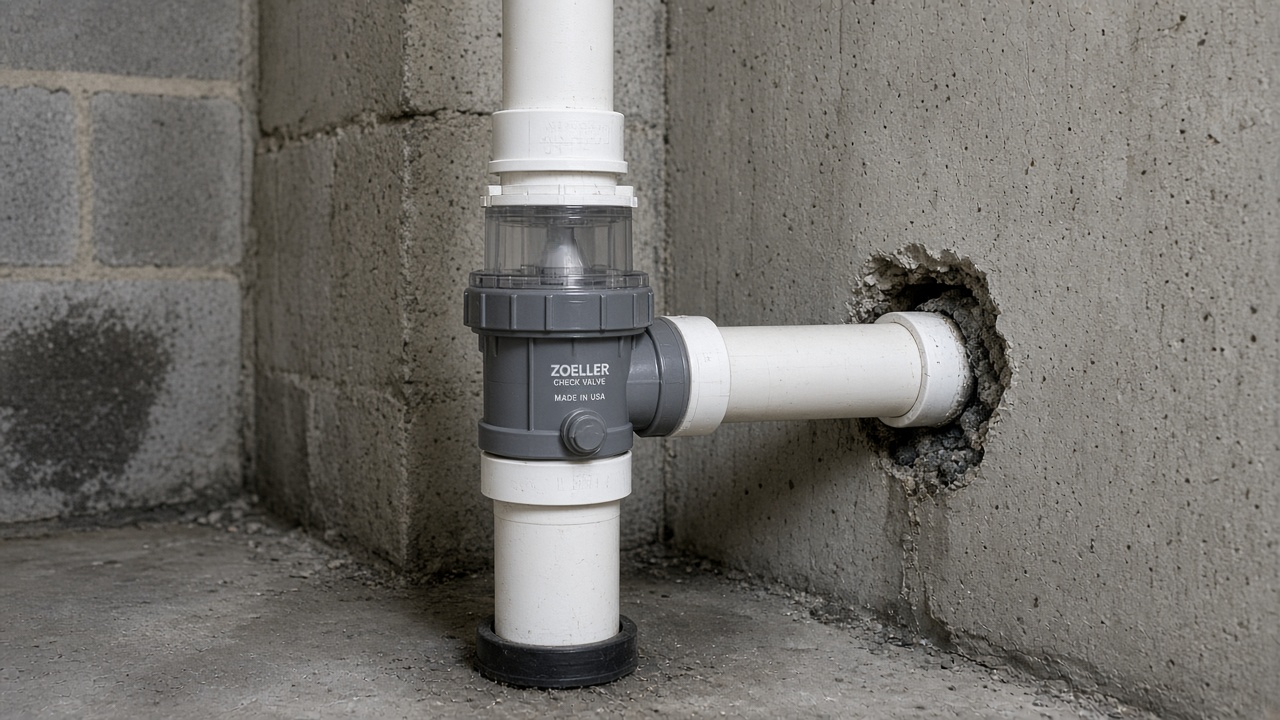
Discharge must leave the house and release on a slope away from the foundation. Dumping foundation drainage to the sanitary sewer is not the rebate-compliant path. A check valve stops water from draining back into the pit and causing short-cycling; unions make future pump swaps cleaner.
Permits and FLAP intersections
FLAP paths require a licensed plumber, Plumbing-Only permits, and inspections. Stand-alone pump replacement without required weeping-tile sanitary disconnect is typically ineligible. Confirm with the City before assuming a grant. See costs and rebates for program caps and eligibility highlights.
What belongs in a written quote
- Pit excavation or reuse of existing basin
- Weeping disconnect (if any) and pump model/HP
- Check valve, discharge materials, and termination
- Electrical (dedicated circuit / GFCI as needed)
- Backup included or priced separately
- Permit fees, cleanup, warranty terms, FLAP paperwork help if offered
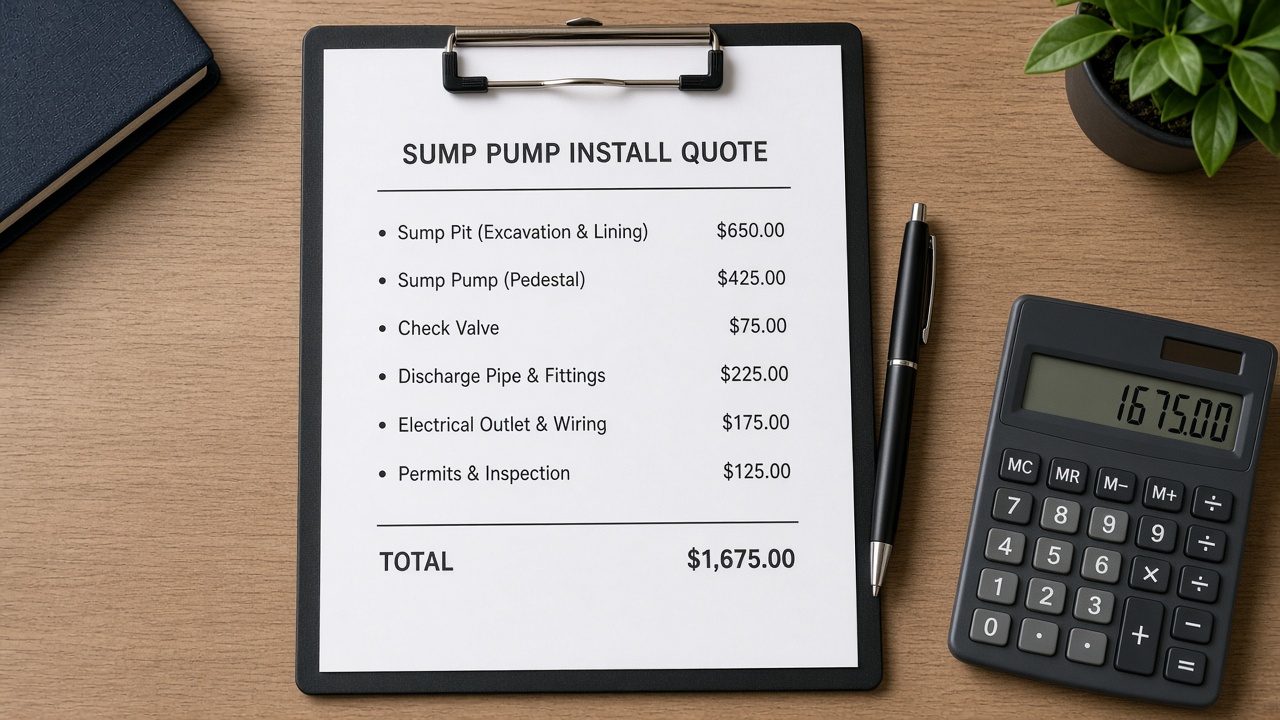
We do not publish dollar estimate ranges. Compare itemized scopes for pit work, pump, discharge, electrical, permits, and restoration—then ask for a written quote for your home.
Assessment factors that change the design
Water table behaviour, foundation type, finished versus unfinished space, and how water enters decide pit location and pump capacity. Lakeside and canal-adjacent lots often need higher flow and redundant backup. Electrical capacity for a dedicated circuit matters when you add alarms and chargers.
Frequently asked questions
Any recommendations for who to call to get a sump pump installed in St. Catharines?
Local homeowners discuss several waterproofing and plumbing firms and remind others to check FLAP eligibility with the City. Call or request a quote and we will help you sort the next step.
Can I DIY a new sump pit, or should I hire a pro?
Handy owners sometimes dig a pit in unfinished areas, but it is dirty, heavy, and easy to get wrong (location near footing, depth, discharge, electrical). Pros are safer for finished basements, uncertain soils, or FLAP/permit work.
Does a sump pump alone waterproof the basement?
No — the pump only ejects water that reaches the pit. Without drains directing water there, wall/cove leaks continue.
Submersible or pedestal pump?
Submersible units sit in the pit and run quieter; pedestal motors sit above water and can be easier to service. Choice depends on pit size, noise tolerance, and maintenance preference.
Where should the discharge go?
Discharge must leave the house and release away from the foundation on a slope; dumping to sanitary is not the rebate-compliant path. Keep outlets clear of ice/leaves.
Will FLAP pay for a brand-new sump if I already have one?
Stand-alone pump replacement / hydrostatic sump without required weeping-tile sanitary disconnect is typically ineligible. Confirm with the City before quoting homeowners certainty.
What size / horsepower do I need?
Size to water load and head height, not the cheapest shelf unit. Local plumbing guidance often points to robust cast-iron submersibles for high water-table Niagara homes. Exact HP is site-specific.
Do I need a permit?
FLAP paths require Plumbing-Only permits and inspections by a licensed plumber. Even outside rebates, wall penetrations/electrical may need permits — confirm with St. Catharines Planning and Building Services.
How long does installation take?
Simple pump-in-existing-pit can be hours; new pit + discharge is often a longer day or more depending on concrete and access. Ask when you call about timing for your property.
What should be in a written install quote?
Pit work, weeping disconnect (if any), pump model/HP, check valve, discharge materials/path, electrical, backup (if any), backwater valve (if any), permit fees, cleanup, warranty terms, and whether FLAP paperwork help is included.